The things I can’t translate
the mechanics of perception shift when you change mediums

I’ve been practicing my Polish with my dog, Indy. More accurately: I speak to him, and he drags me toward the park. I don’t have anyone to speak to in Polish anymore—not the daily mumblings of life—so Indy gets praised for knowing commands in my first language. Come. Wait. Heel.
Slowly, my vocabulary returns. Polish is a precise language; you can’t simply say we’re leaving. You must be explicit—on foot or by car—because those are different verbs. And as I peck away at remembering, I call my father, who now speaks to me in a blend of Portuguese, Polish, and English. I understand him, somehow, in all of it.
This week, a sentence stopped me cold. I was trying to articulate a feeling, and English simply did not have the right word. I wanted to name that ache that appears when a place pulls at you—slightly, insistently. Nostalgia wasn’t right. Homesickness wasn’t right. Neither held the exact shape of what I felt on that walk with Indy, urging him to pick up the pace for no real reason, the cold taking our breath.
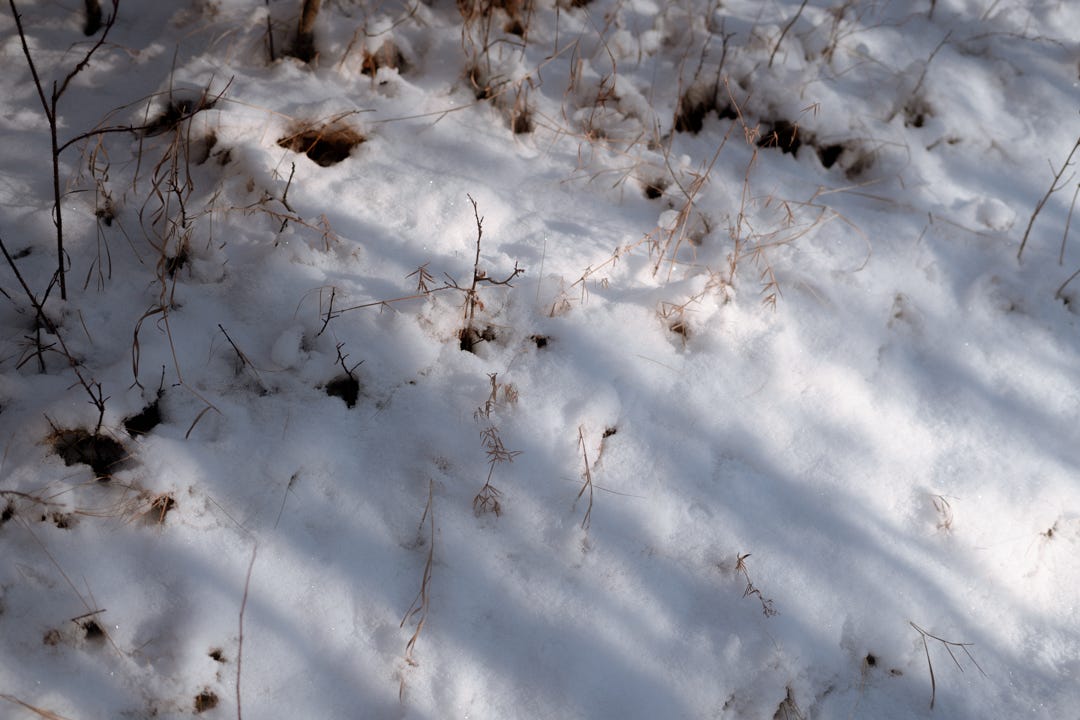
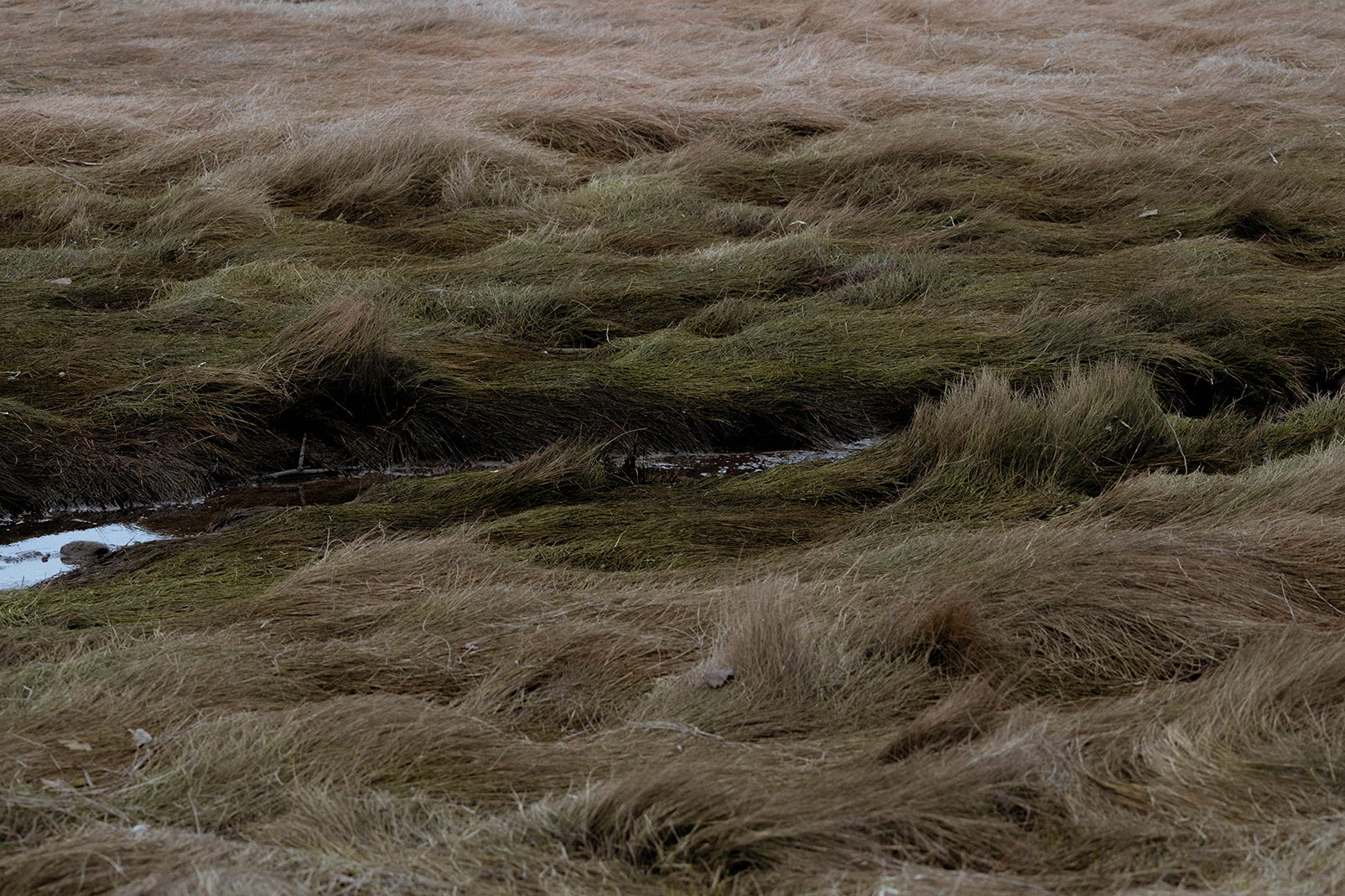
“I miss the island,” I kept thinking. The soft moss, greener this time of year. Grey waves collapsing under grey clouds. Harsh wind that a wool sweater and raincoat could handle as you watch whitecaps form and vanish. The scrape of my toque against my forehead, my boots sinking into grey sand. The drip of dew off rocks in the woods. Everything deeper, somber, which to me feels calmer.
I loved—again, not the correct word—the winters on the island.
Portuguese has saudade: “a profound, melancholic longing for someone or something absent, often with a mix of love and sadness.” It’s the closest I’ve found. Or the way my dad stretches out coitada—which technically means “you poor thing,” but it’s warmer, softer, carrying an entire emotional register English doesn’t hold.
We grow up inside the tank of our language without realizing that each one offers a different aperture onto the world. A different grammar for emotion. A different way of noticing. A different permission.
And on that a thought bubbled up: this is also how creativity works.
Writing is one language. Photography another. Painting a third. They aren’t interchangeable—not really—but they inform each other in ways I don’t always see until I switch mediums.
Photography teaches me composition. I search for the work in the world.
Painting gives me texture and gesture and the satisfaction of working with my hands.
Writing lets me articulate the interior, the part that can’t be photographed.
Each one offers something the others can’t. Each reveals a different facet of the same moment.
When I move between these mediums, I’m not abandoning anything. I’m learning to translate. A photograph can become a sentence. A sentence can grow into an image. A painting can teach me how to structure a paragraph, oddly enough—how to balance weight, how to create movement, how to leave space.
It’s a kind of multilingualism, but for perception.
I know that once I start printing my photos again, they’ll pull me toward something more tactile. I’ll want to touch the work. To build from it. This isn’t a departure from writing; it’s another point of entry. Exploration isn’t a detour—it’s fluency. It’s how I build confidence, how I discover the next thing I didn’t know I needed.
And maybe this is the closest I can come to naming that feeling on the cold walk:
the sense that different parts of my life speak different languages, and sometimes it takes all of them to get something right.
Journal Prompts
This essay came out of noticing how certain things resist language. How some feelings, places, or moments don’t quite fit into the words we reach for. The prompts below aren’t meant to solve that tension. They’re an invitation to sit with it, to notice where meaning slips, where other forms of expression might step in.
What is something in your life you’ve never been able to translate?
Which creative medium is your “first language,” and which ones expand you?
What emotion or memory deserves its own word?
How has switching mediums changed the way you see?
What do you miss that you cannot fully explain? Why?
Personal Work
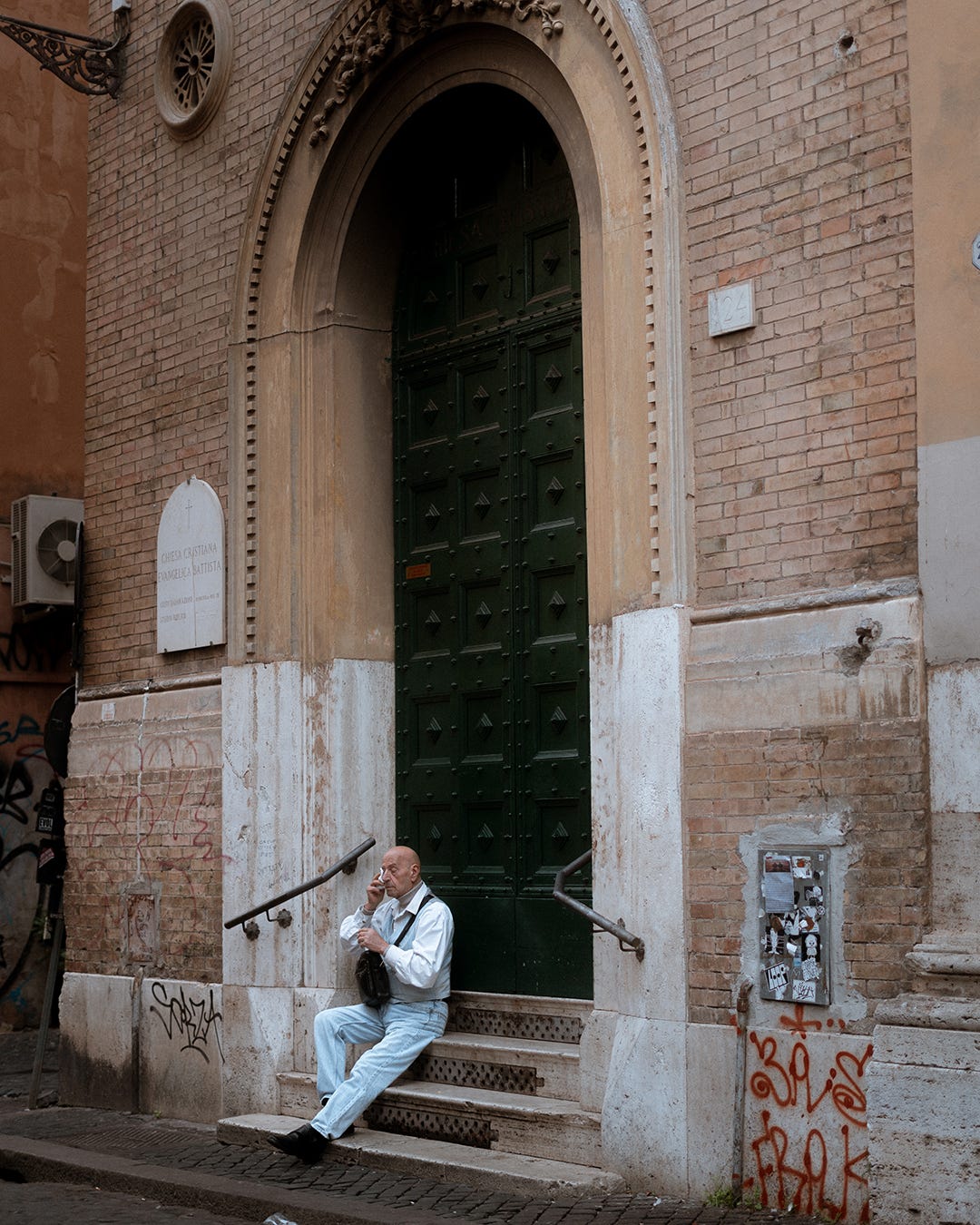
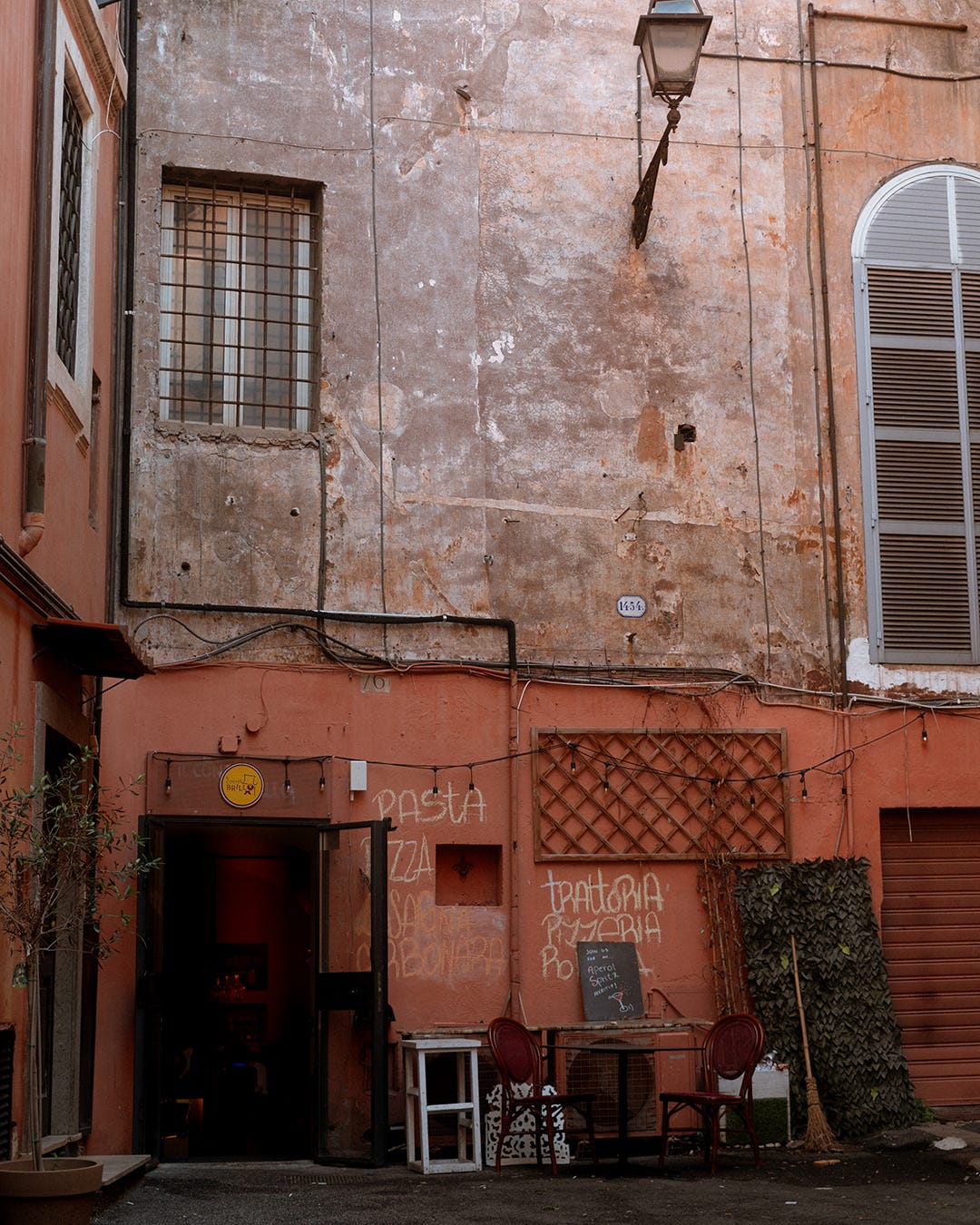
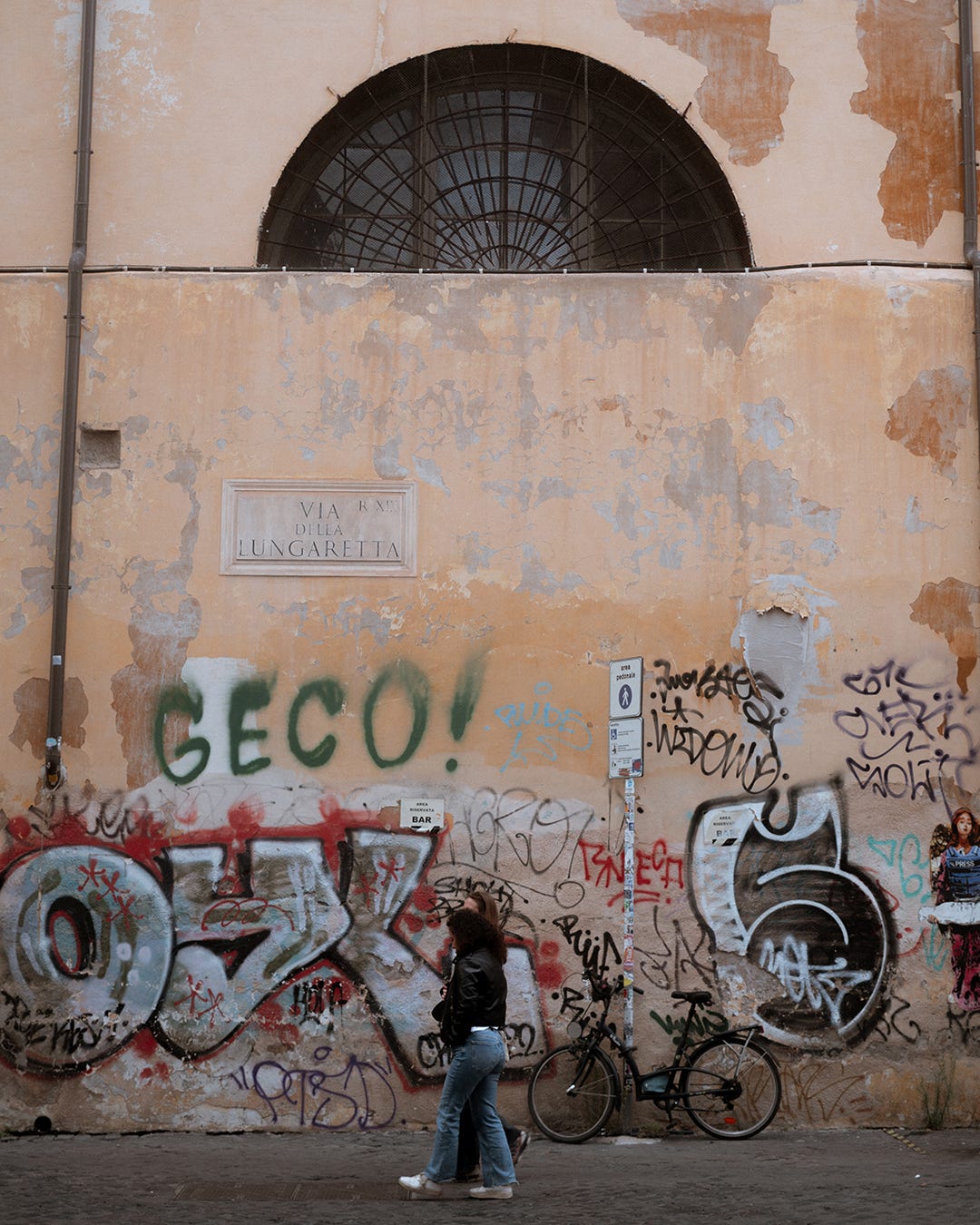
Rome is a city of layers—thousands of years of humanity building on top of each other. Graffiti marks cathedrals. Narrow alleys filled with restaurants butt up against walled gardens turned museums. It’s a well-lived-in city. I was lucky to have a couple of days wandering it, and I kept being delighted by the overlap of life and history. We still need to make phone calls with a spot to sit. Stack chairs for storage. Go for a walk with friends. And so it goes, another layer is added to the history. One person at a time.
Recommended Inspiration
balance & sacrifice / art & time: musing on the creative process under capitalism
Hey, you made it to the end!
I have a small secret for you.
As you may have gathered, I’m Polish. Which means holiday preparations have officially begun in my kitchen. Pierogies are being made and frozen. Beets are brining for soup. There is a spreadsheet somewhere in my brain dedicated to timing everything just right—and, ideally, avoiding a last-minute holiday meltdown.
Which brings me to my confession.
Actually…two.
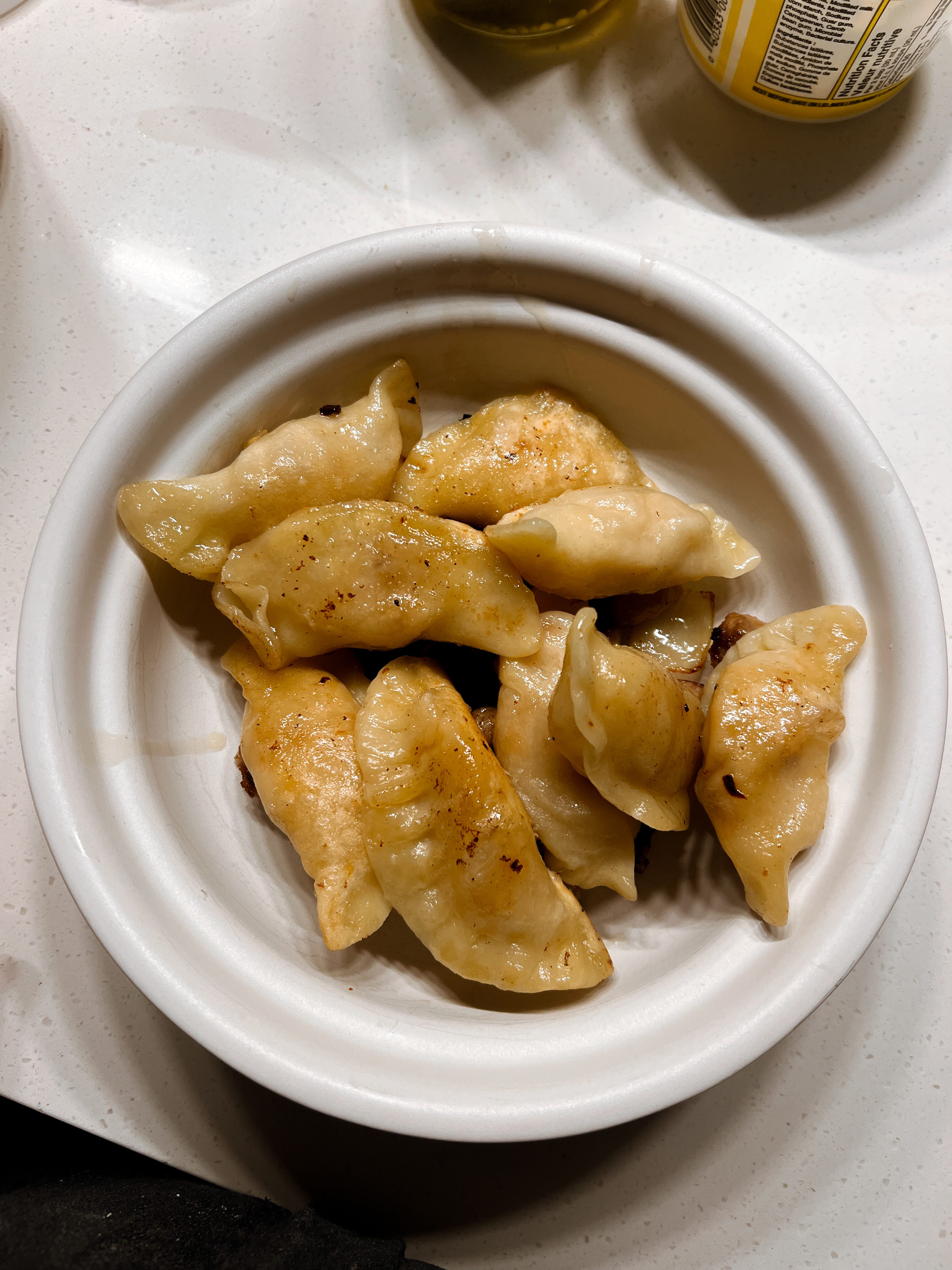
First: the first batch of pierogies has already been eaten.
I made them. I froze them. I felt very accomplished about this.
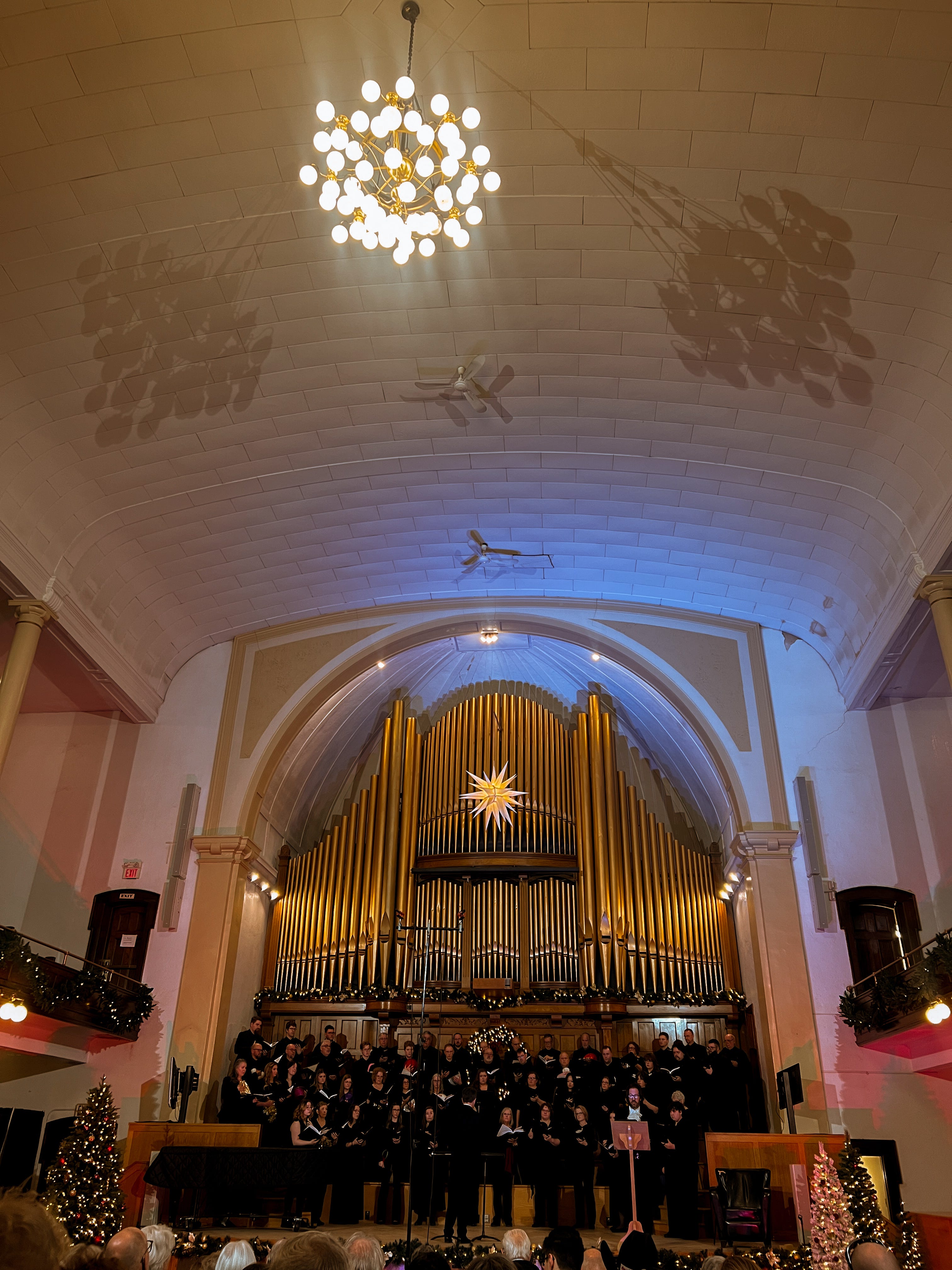
Then we went out to watch a choir perform. The plan was to extend the evening into dinner, but the concert was held in a church built in the early 1900s—beautiful, yes, but cold. I sat there with my parka draped over my knees, listening to holiday music echo off stone walls.
At some point, Corey leaned over and whispered,
“Do we want to go out after… or go home?”
I didn’t hesitate.
“Home,” I whispered back. “Let’s eat pierogies.”
And that—music still ringing in our ears, pierogies fried in butter and onions—felt like the official start of the holidays.