


The gap between intention and action is usually not a motivation problem. It’s a friction problem. We make things harder than they need to be, or we wait for the right feeling before we begin. Neither works.
In week one of this series, we explored the labels we give and withhold. This week I want to talk about what makes acting on them easier—because claiming the identity is one thing. Showing up for it consistently is another.
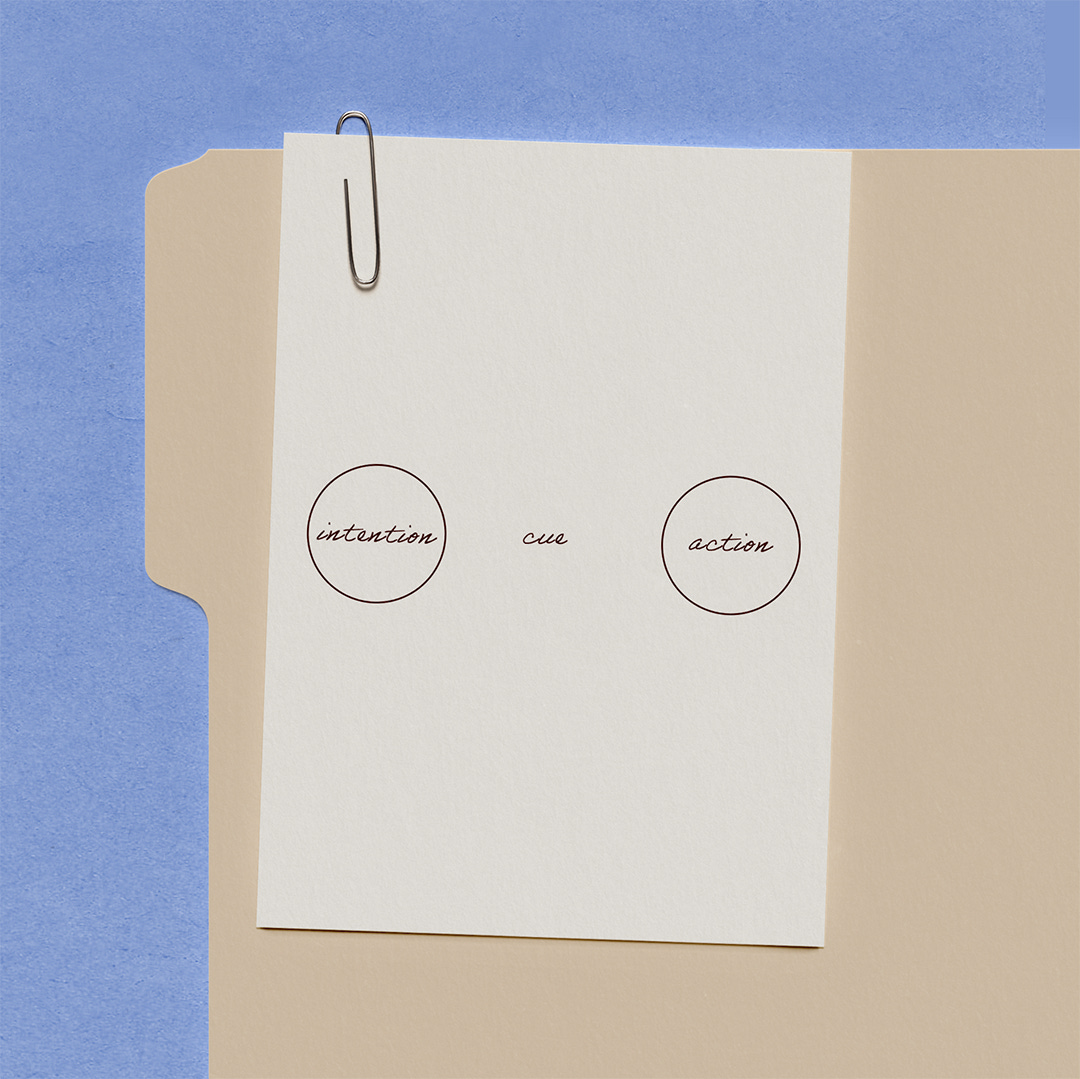
My partner researches how behaviour actually works—movement, habits, the gap between what we intend to do and what we do. This comes up in our house more than you’d think. The tool the research keeps confirming is the cue. Peter Gollwitzer, a psychologist who has spent decades studying why people follow through on intentions, found something surprisingly simple: specificity is the mechanism. Not “I want to write more” but “when I sit down with my morning coffee I will open my notebook.” The cue is what bridges the identity and the action.
This week I wanted to give you something a little different. Not an essay, and not a traditional meditation. But an audio designed to give you a few minutes to sit with one question: what small, reliable cue could you attach your creative practice to? Something that already exists in your day. Something so small it’s almost impossible to fail.
personal work
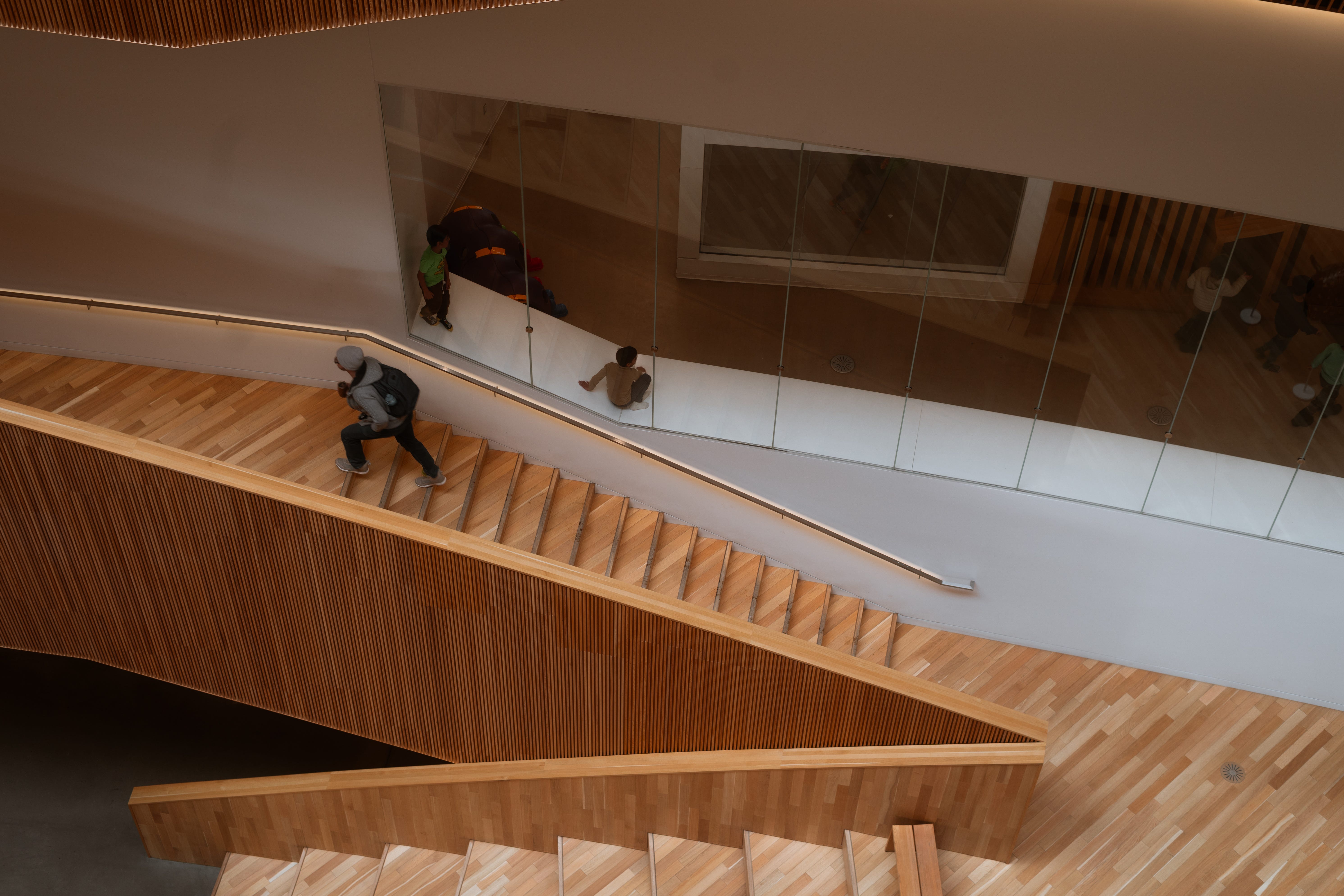
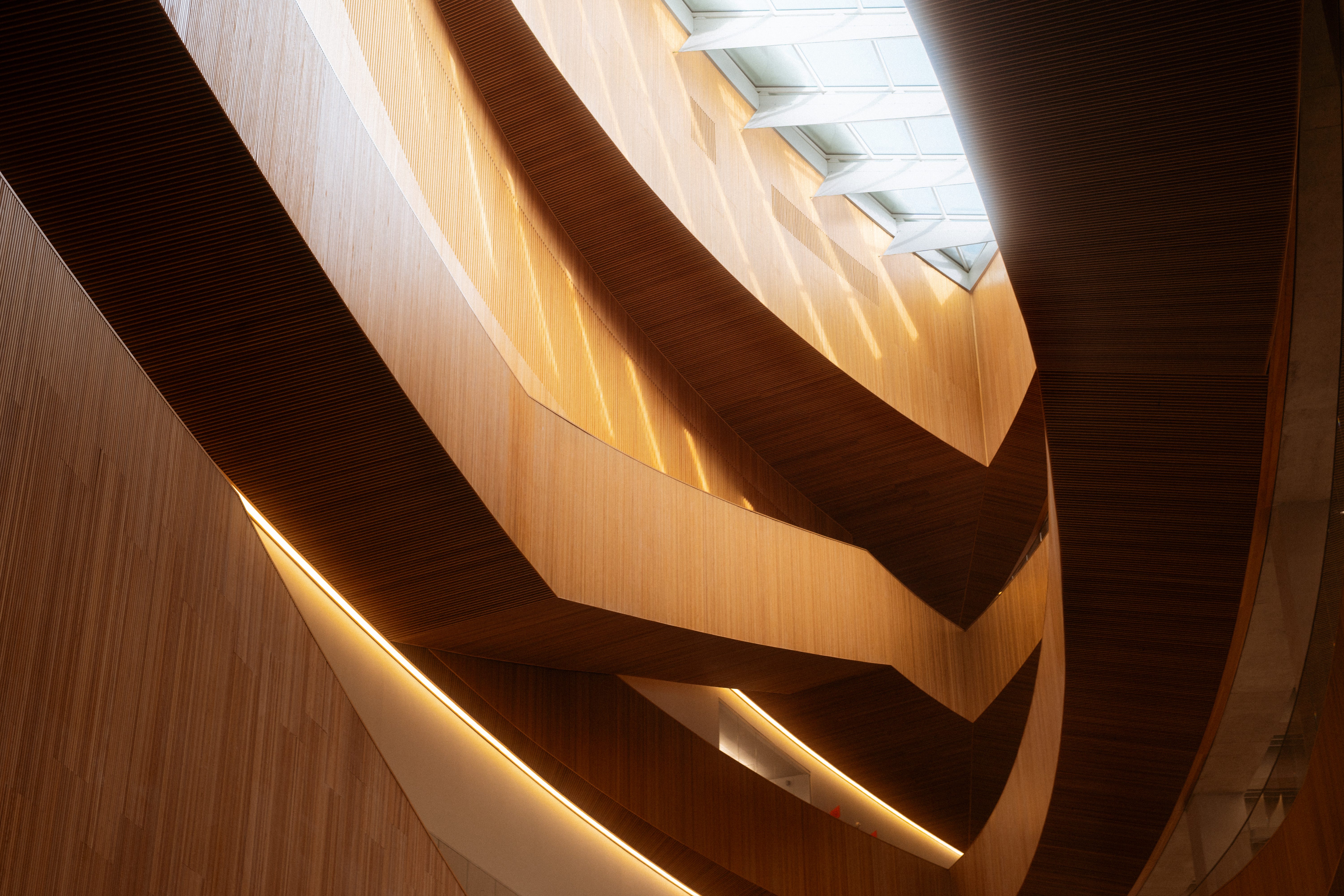
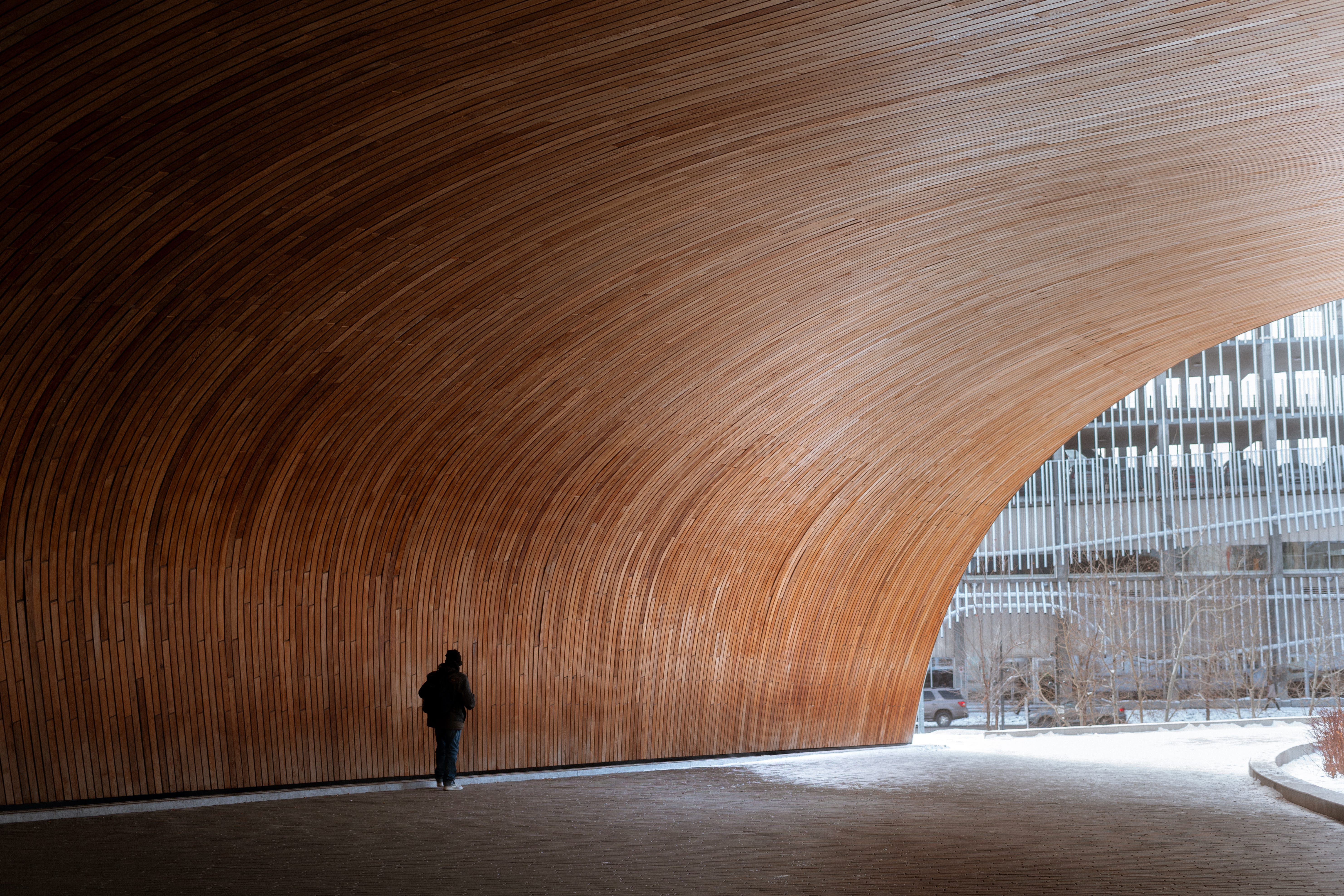
Designed by Snøhetta in collaboration with DIALOG, the Calgary Central Library sits on a site that once divided two neighbourhoods. The LRT line still runs underneath it. The library is literally a bridge.
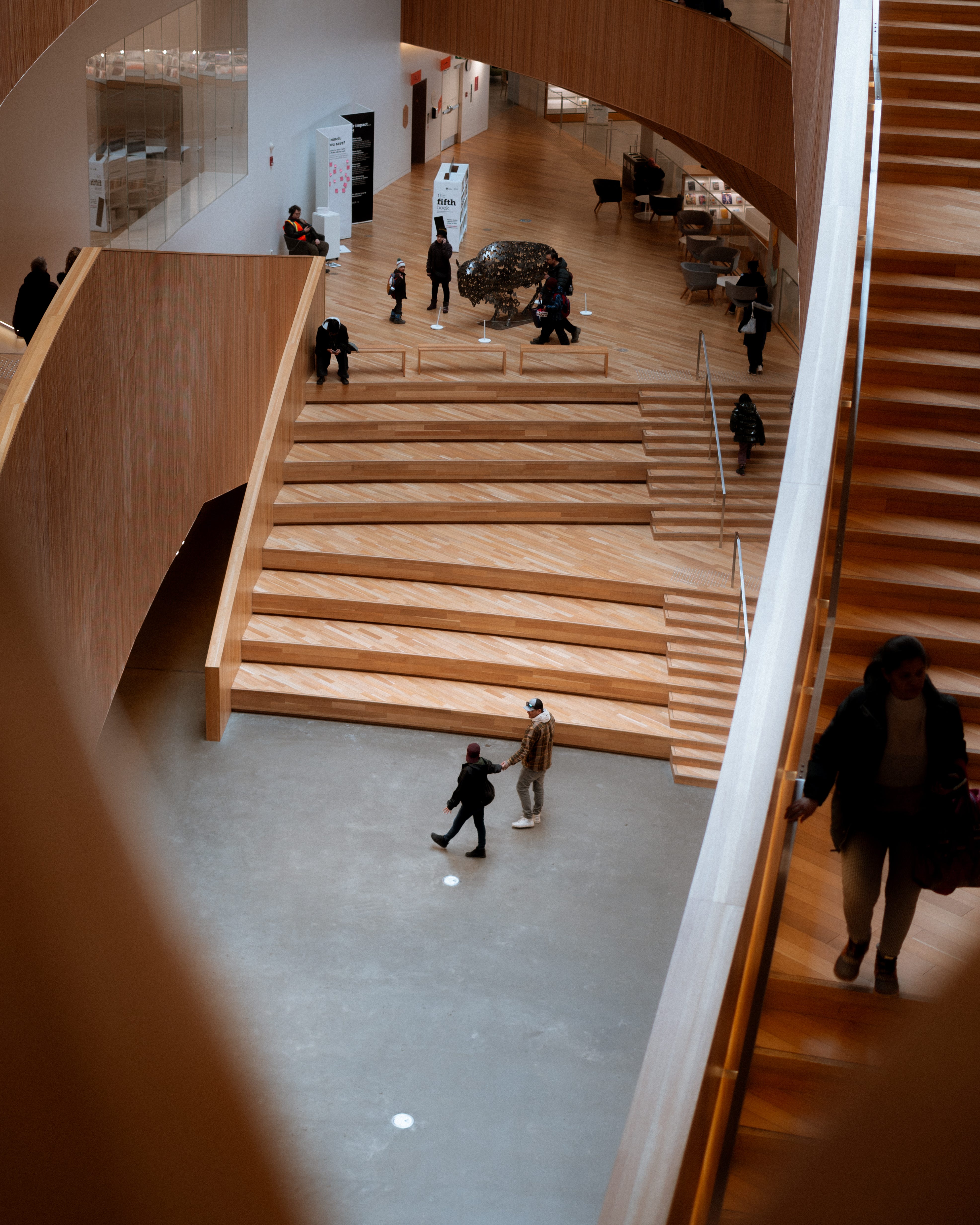
What struck me most walking in was how little it felt like a library in the institutional sense. The ground floor greets you more like a bookshop—featured titles out in the open, multiple copies stacked together, an invitation rather than a catalogue.
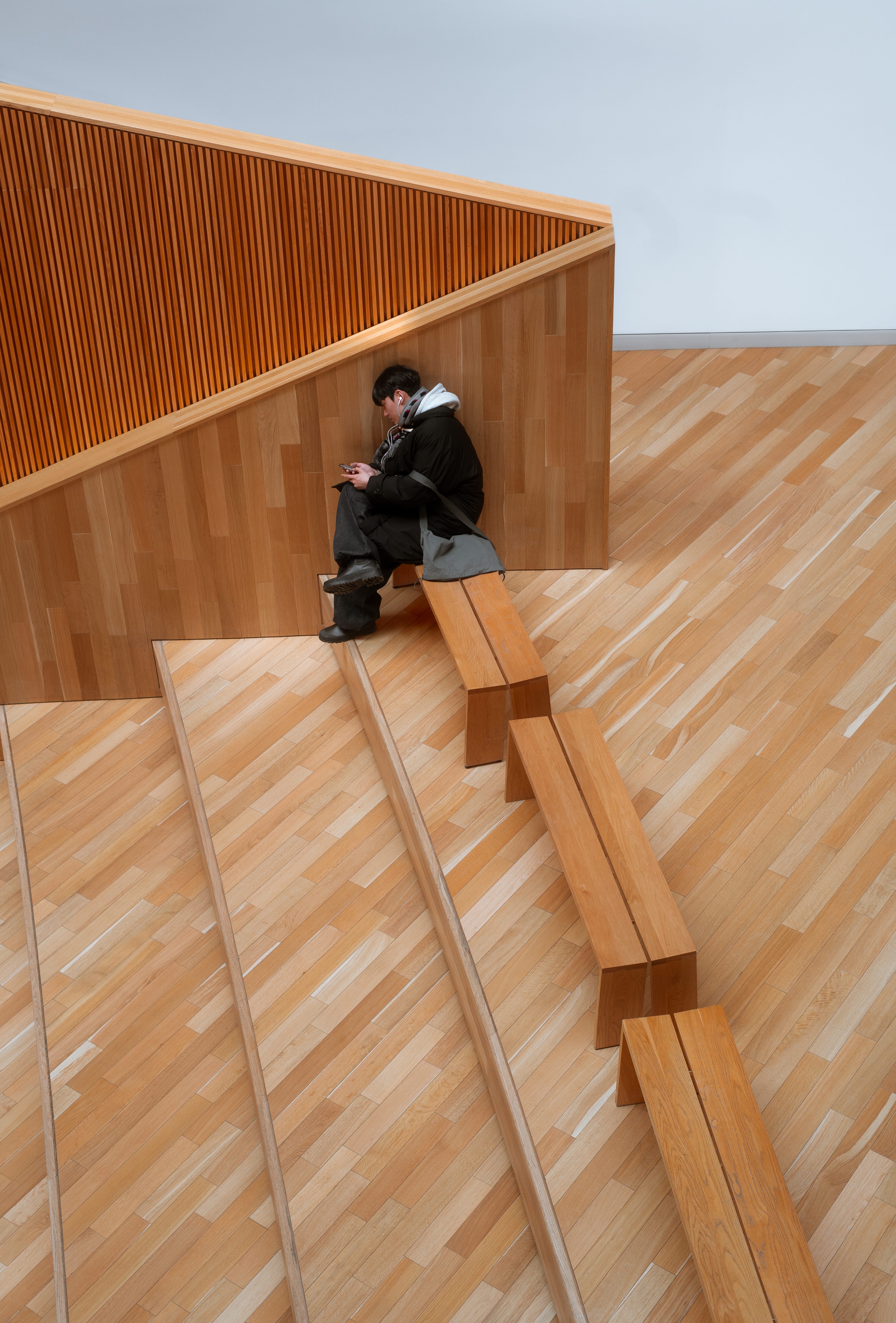
People were using the space however they needed to: resting, meeting a friend, pulling together a study group, finding a corner to disappear into. The children’s area had taken over a generous stretch of the floor. The teen space—which so often feels like an afterthought—was actually in use.
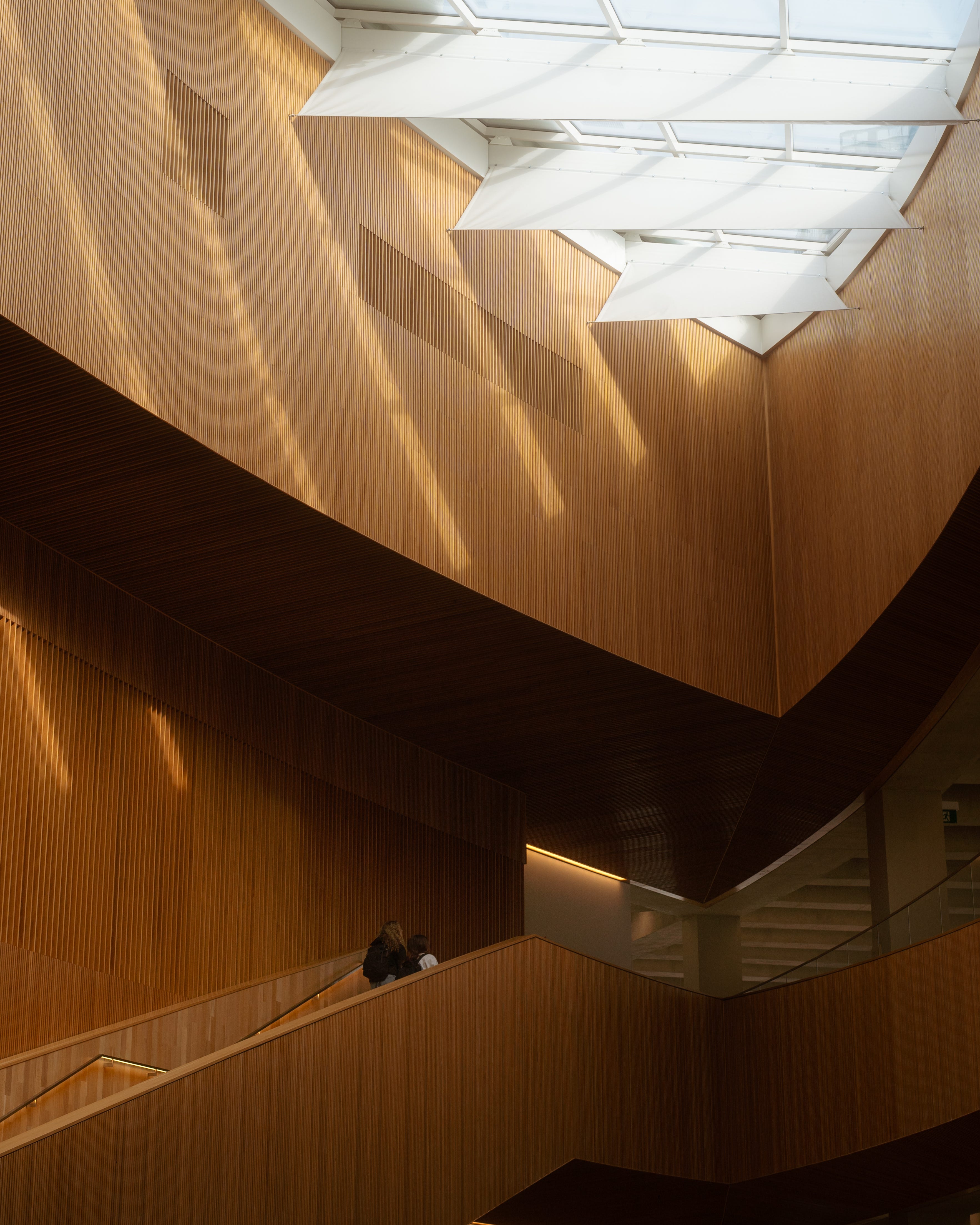
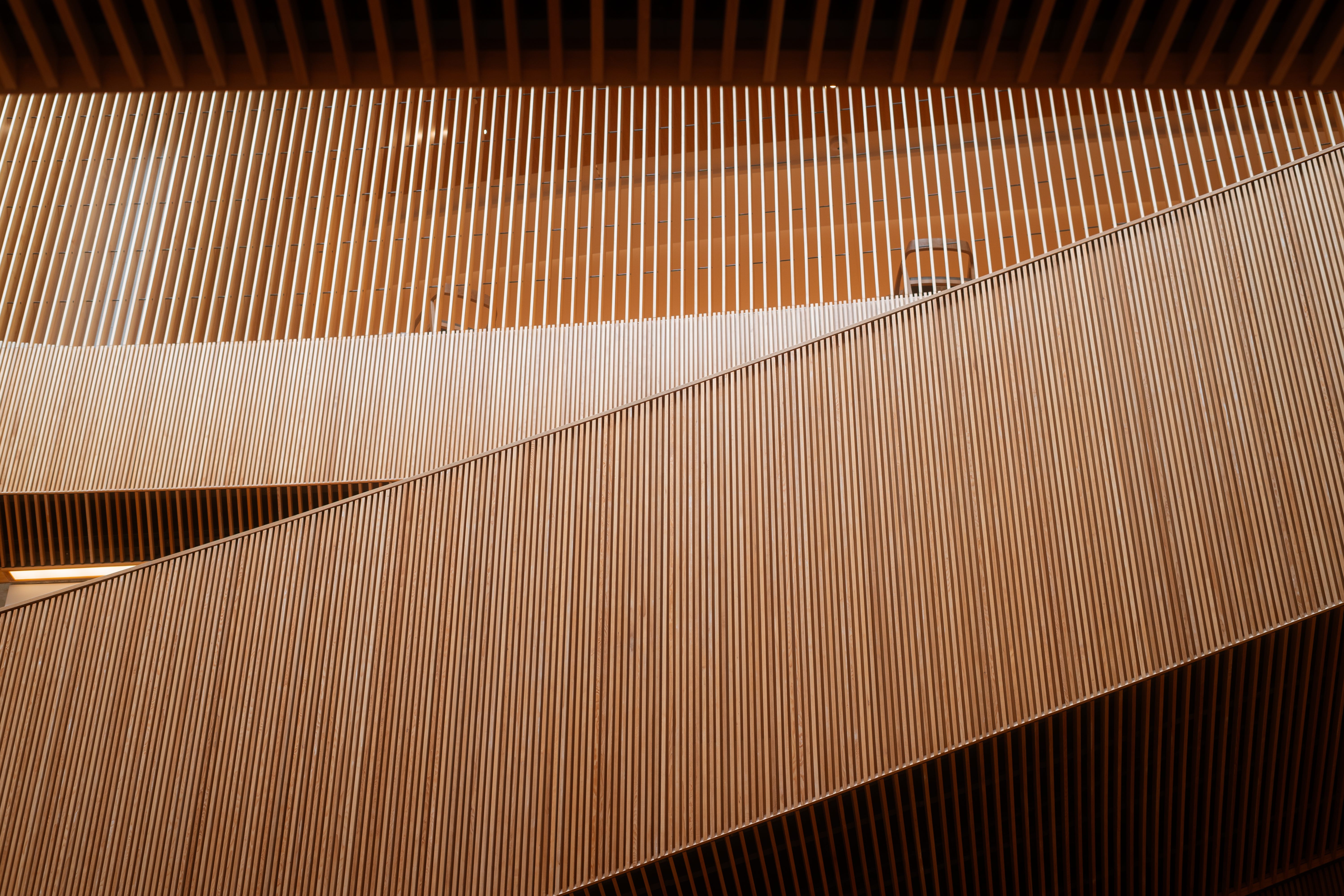
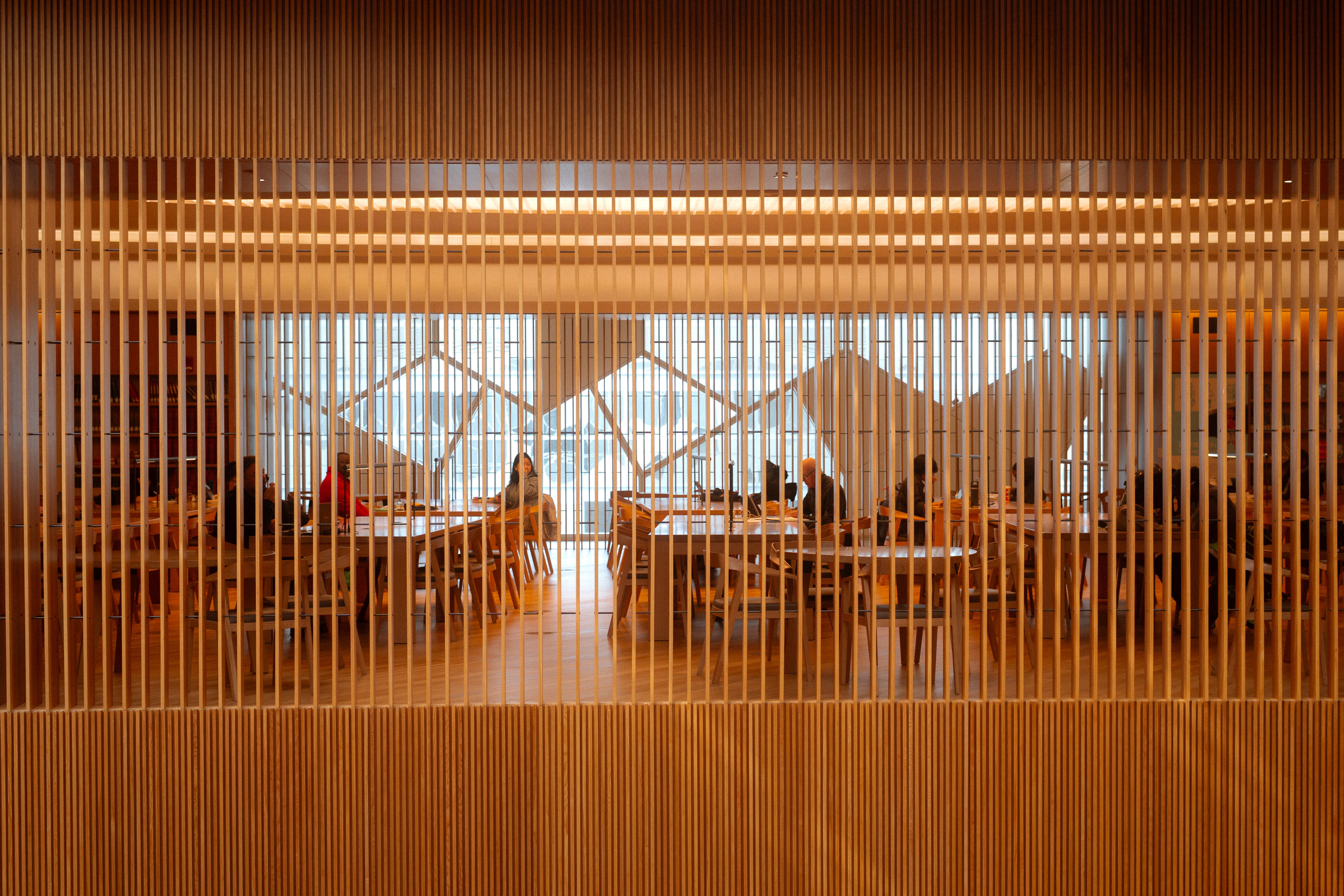
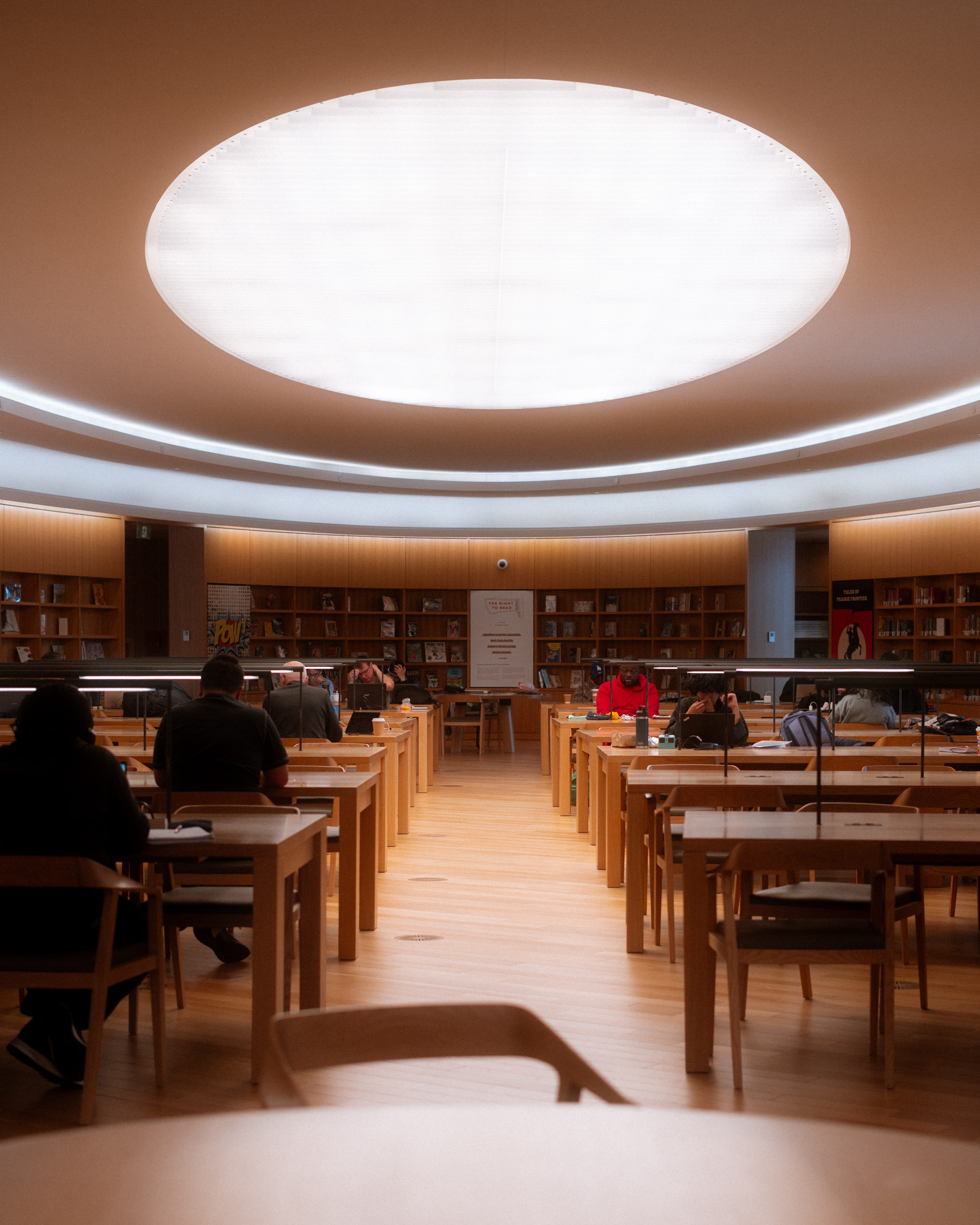
Snøhetta organized the whole building on a spectrum from lively to focused, with energy at the base and the Great Reading Room tucked at the top—one of my favourite spaces. The curved wood interior cocoons the readers as they lean in to work. Reading lamps hold the close light, while above them a vast circular oculus mimics diffused daylight, bringing a soft calm to the quiet room.
It’s a building that understands people first. Designed around how humans actually use space—to create, to rest, to discover, to belong. Participation over prescription. That’s what good design looks like.
Hey, you made it to the end, I have a little secret for you! When I was in my undergrad, I kept a door open in the back of my mind: architecture. I never walked through it, but I never fully closed it either. To this day, wandering through a building with intention, learning why it was designed the way it was, how it holds people…is one of my genuine pleasures. I still think about a masters someday, though no longer in architecture. What draws me isn't the material. It's always been the human on the other side of it.

