

An empty plate
marking the winter solstice: wigilia, ancestors, and the longest night

An empty plate
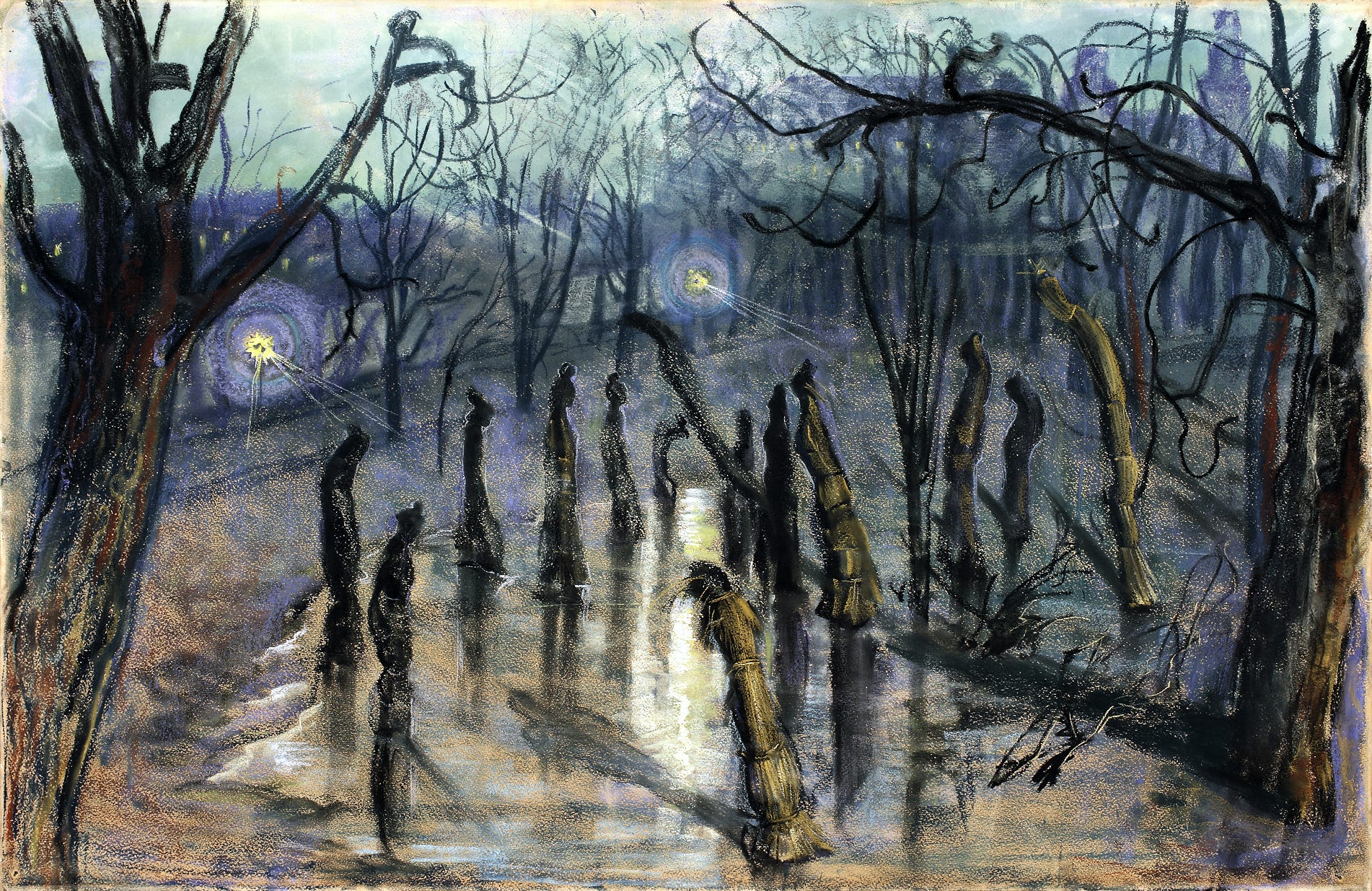

I send my friends back into the dark, a cup of warm spiced wine in hand to hold them on the walk home. Bundled, full, warmed by hearty food and lively conversation.
Tonight, the house filled with scent before it filled with people. Peppery borscht simmered on the stove, earthy uszka waiting to be dropped in—the first dish, always. The air was sweet and sharp with cloves and citrus. The house ran hot from cooking; the windows fogged, edges traced with frost as the warmth pushed against the cold outside.
.png)
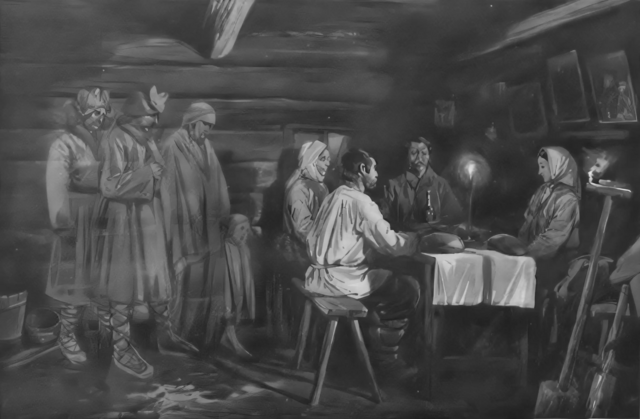
We ate slowly, laughed easily, making sure to taste twelve items during the night. As I tidied up, I left out an empty plate, a napkin folded with cutlery resting on top. The night would be long, and it’s in these small, familiar gestures that I find solace.
The world has shifted again. I’ve been tracking the sun leading up to tonight, minute by minute. Tomorrow it will rise at 8:49 a.m. and set at 4:16 p.m. From here, the days stretch almost imperceptibly, light pressing back against the dark.
Spring is still too far to see. Hidden behind snow-covered streets, frosted trees, and bundled figures moving through the cold in layers.
But it is coming.
I like to think that, like our ancestors before us—without clocks to measure the hours or screens to light the night—we still feel this turning. It’s why we crave communion with neighbours, why we light candles, replay fireplaces on our televisions, and repeat the rituals we grew up with.
Growing up, we celebrated Wigilia in the usual way. You begin the meal when the first star appears. Twelve dishes for the twelve apostles. An empty plate left out for the unexpected guest.
But before Christianity, that plate was for the dead. Food left overnight so ancestors could also feast, the veil believed to thin at this time of year.
We watched for the first star not only as a story, but as a signal—the moment daylight stopped shrinking. A turning. A ritual act. And the twelve dishes? Perhaps lunar cycles. Perhaps a wish for abundance and luck in the year ahead.
This year, I’m spending Christmas with my partner’s family. His traditions, not mine. It made me think about why I felt the need to mark the day at all. The more I thought about it, the more solstice made sense. I wanted, needed, to acknowledge the moment the light begins to return.
We are back in the city I grew up in, and this winter has been an adjustment. I’ve been colder than I want to be, outside less than I’m used to. Solstice had been on my mind for a long time.
So our neighbours came over. We counted dishes, making sure we tasted twelve things. We sat at a candlelit table. They brought herbs to burn and clear the space on the official morning of the solstice. It wasn’t loud or rowdy or big.
It was comforting. And necessary. On a dark day. On a cold evening.
When I went to bed, I left the plate where it was.
Personal Work
Same eye. Different season.
The hunt for textures never ends. And when the snow is falling nothing feels better than dusting off shots from a warmer moment.

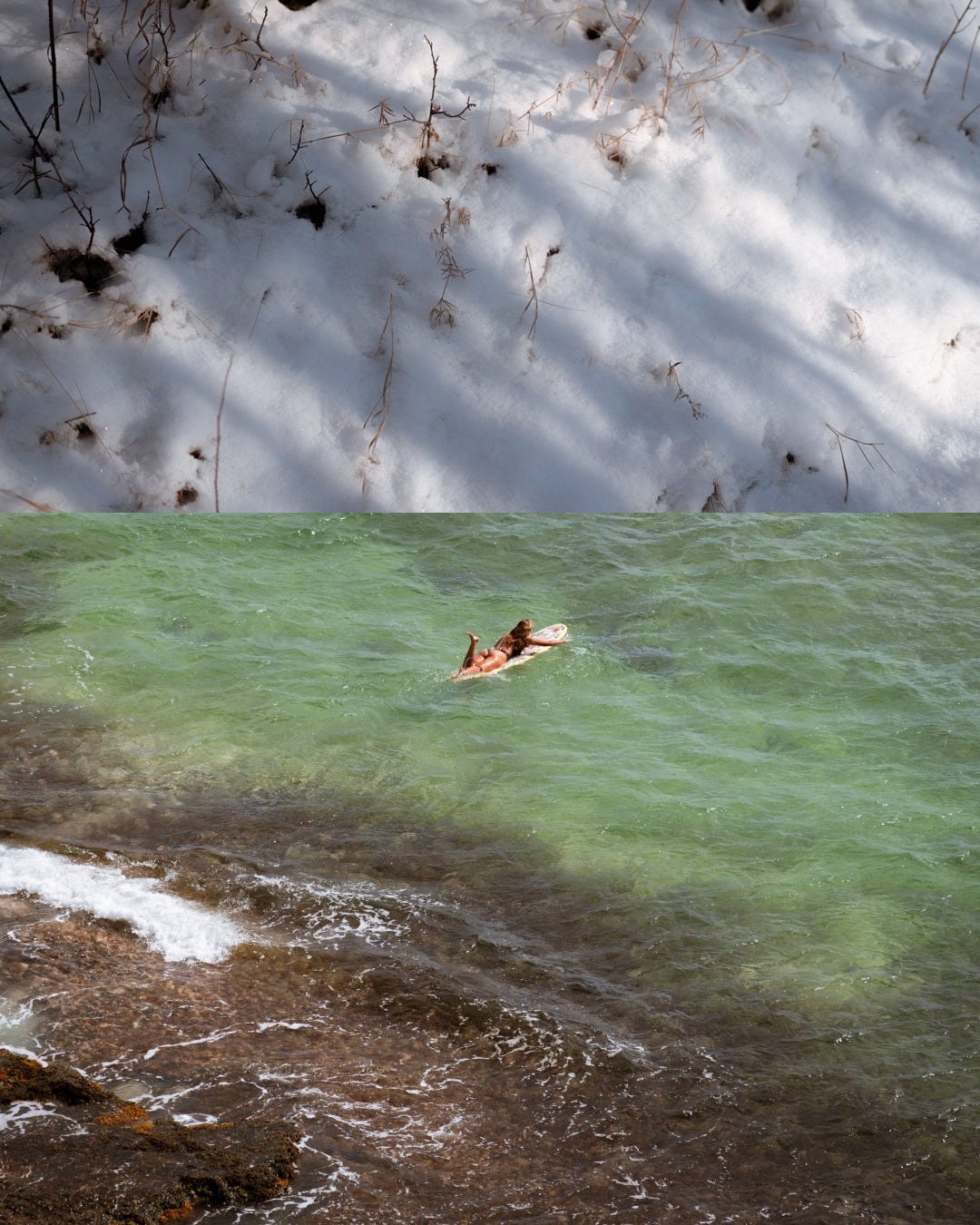
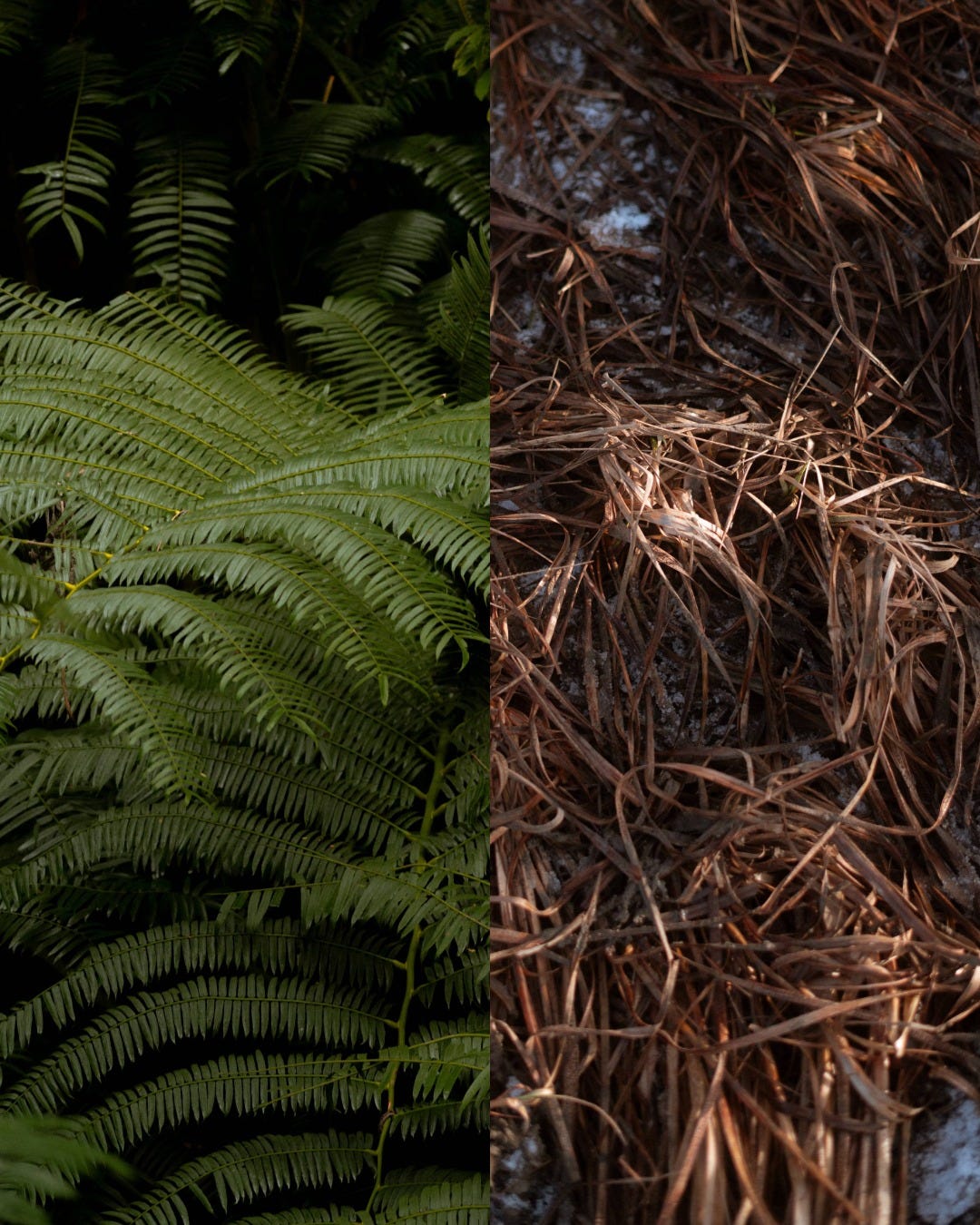
Image licensing available through Stills.
You made it to the end! Prep for wigilia starts weeks in advance—I brine beets for soup, make pierogies and cookies, and keep a running list on the fridge to track everything. I often get asked for recipes, so this week I’m sharing my go-to recipe for perfect perogie dough with a few tips. Good luck!
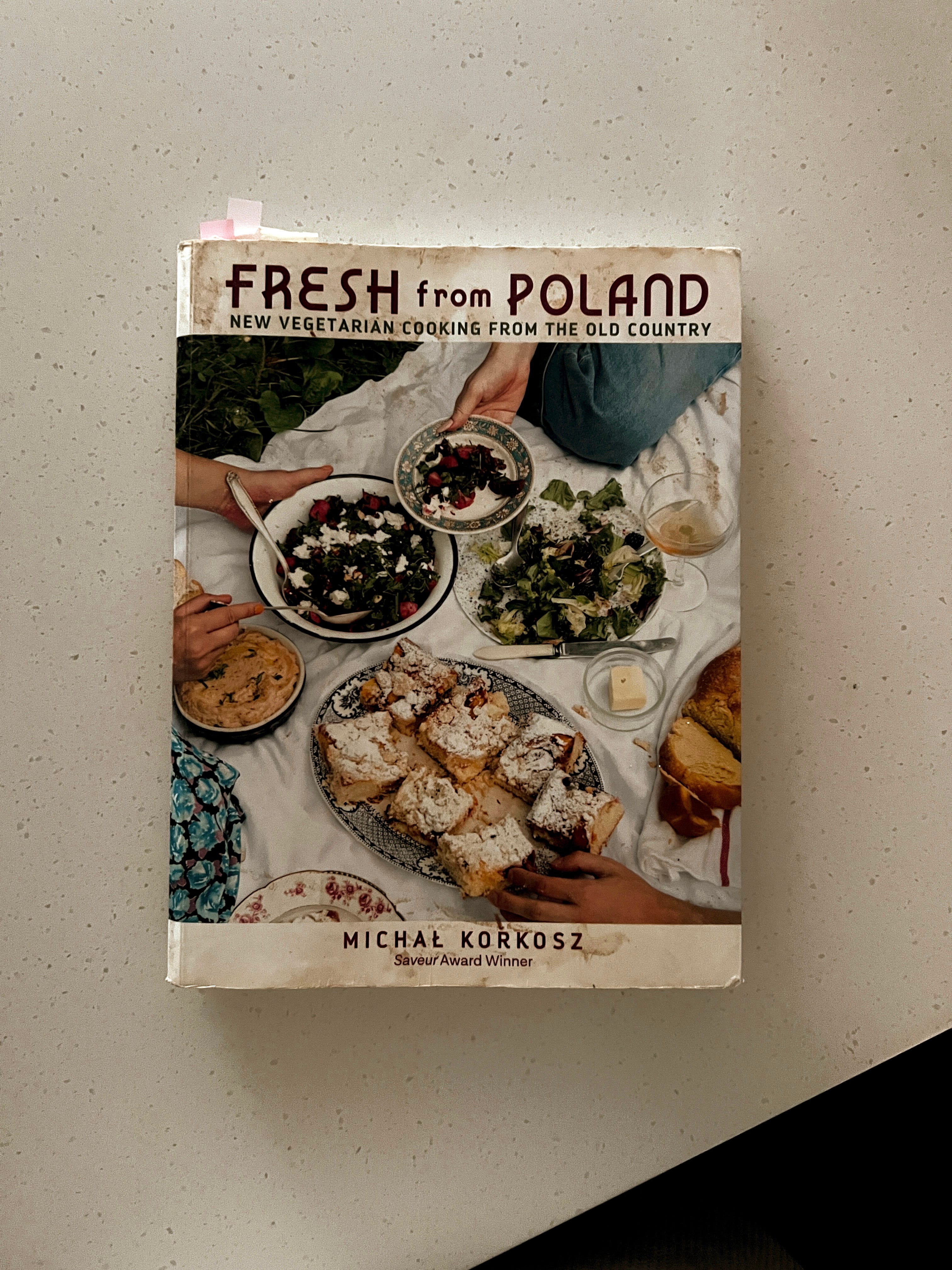
Recipe adapted from Fresh from Poland by Michał Korkosz. This is also where I found my barszcz recipe, learned to brine beets, discovered my love for warm cucumber salad, and even found our weekly bread loaf. Available in English.
Ingredients:
3½ cups (450 g) pasta flour, plus more for kneading and holding (yes, it makes the dough extra soft and pliable. I prefer pasta flour over all purpose)
1 teaspoon salt
¼ cup (60 ml) cold-pressed rapeseed oil or extra virgin olive oil
1 tablespoon sunflower oil
Instructions:
Combine the flour and salt in a large bowl. In a separate bowl, combine the rapeseed oil and 1 cup (230 ml) warm water. Slowly add the liquid ingredients to the flour and mix with a wooden spoon until the dough is well combined. Turn the dough out onto a clean, lightly floured surface and knead for 4 to 5 minutes, until it is smooth and supple. Invert a bowl over the dough and let it rest at room temperature for at least 15 minutes to allow the gluten to relax.
Tip: I like to prep dough the day before. Wrap it in bag or tupperware and pop it into the fridge. Let it return to room temperature before you roll the next day. This alone makes the dough wildly easier to work with.
Divide the dough into three pieces. Place one on a floured surface. (Cover the rest with a towel.) Roll to just under ⅛ inch (3mm) thick, dusting with flour as needed.
Cut 2½-inch (6.4 cm) circles using a pastry cutter or glass. Roll circles to 3 inches (7.6 cm). Set scraps aside. Repeat with remaining dough as you work. I don’t roll and cut all at once, as you don’t want the circles sitting out in the air drying while you pinch pierogies. Work in batches.
Add 1 to 2 tablespoons filling to each round’s center, leaving a ¾-inch (2 cm) border. Pull opposite ends up and over the filling, pressing edges to form a semicircle. Pinch edges to seal completely. If edges don’t stick, lightly brush with water. Ensure no gaps remain or pierogi may open while cooking.
Transfer the pierogi to a lightly floured kitchen towel and cover with another towel to prevent drying. Continue until all the dough is used. If you don’t plan to cook them right away, place them onto a cookie tray, and freeze them on the tray. If it’s cold outside, I like to let them freeze outside before transferring to a freezer bag for storage. Be mindful, until they’re frozen, they’ll stick together if they touch.
Frozen and in resealable bags, they will keep for up to 2 months. Cook from frozen, adding 2 minutes to cooking time.
Boil salted water with sunflower oil. Working in batches, gently lower 10-15 pierogi into the pot using a slotted spoon. Once they rise, cook 1-2 minutes more, then transfer to a colander to drain.